
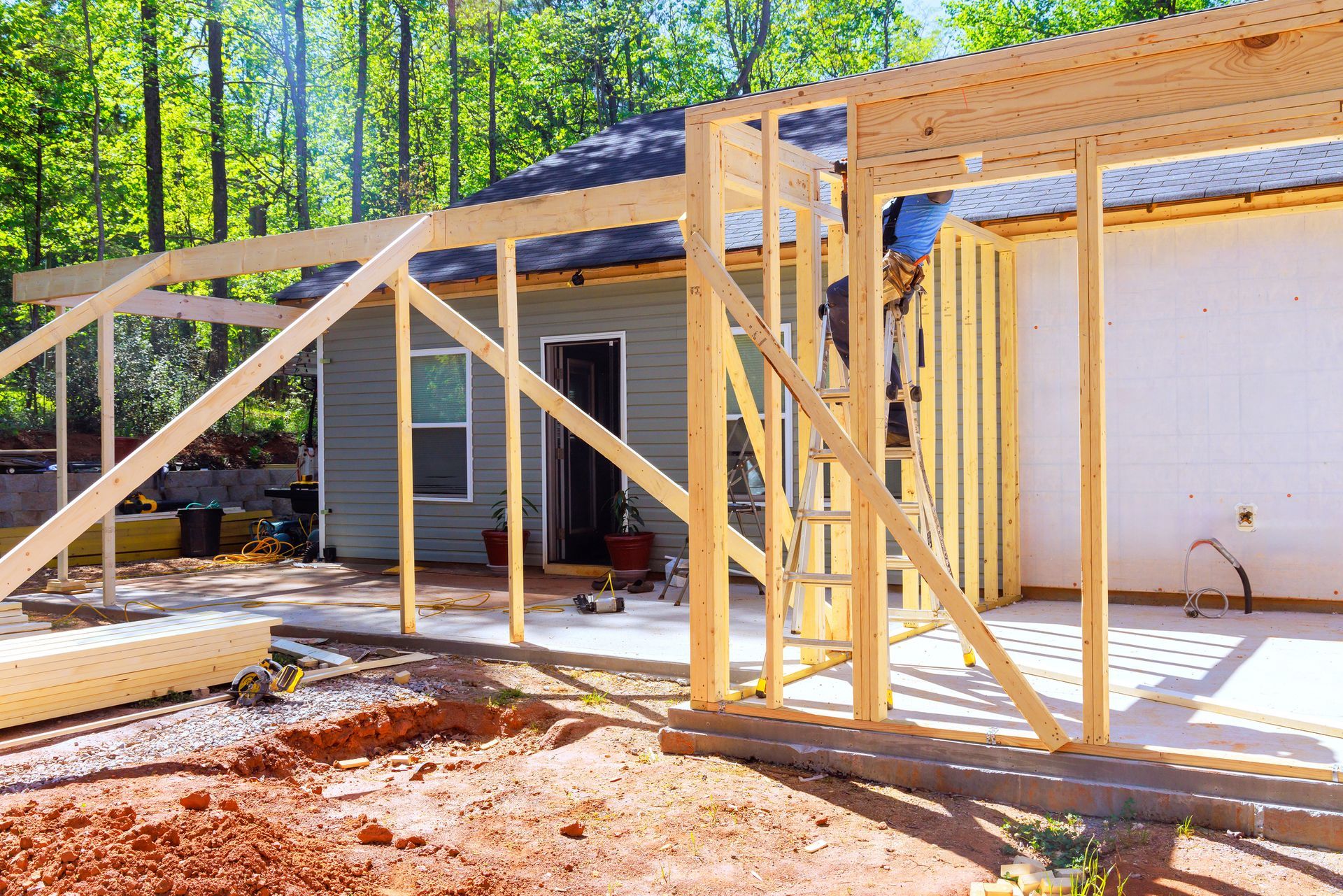

When your current home no longer fits your needs, it can leave you with a big decision: should you remodel the home you already have or start looking for a new one? For Chattanooga homeowners, moving isn’t always the only answer. If you love your neighborhood, location, or property but need more space, a better layout, or updated features, remodeling can give you the home you want without leaving the place you already know and love. Before making a decision, here are a few things to consider. Do You Love Where You Live? Your home is more than the rooms inside of it. Your neighborhood, commute, yard, schools, neighbors, and proximity to the places you visit every day all play a role in whether a house feels like home. If your biggest frustrations are with the house itself—not its location—a home renovation may be worth considering. A remodel can address many of the problems that cause homeowners to start looking elsewhere, including: An outdated kitchen Small or inefficient bathrooms A lack of storage Not enough bedrooms An awkward floor plan Limited entertaining space An unfinished attic or garage Outdated finishes throughout the home Instead of finding another property that checks every box, you may be able to make your current home work better for you. Could You Make Better Use of the Space You Already Have? Sometimes you don’t actually need a larger house—you need a better layout. Older homes can have rooms that no longer make sense for the way families live today. Reconfiguring existing square footage can create better flow, additional storage, more functional gathering spaces, or improved privacy without necessarily expanding the footprint of the home. Whole-home remodeling can also help create a more consistent design throughout the house. Rather than updating one room at a time over many years, homeowners can take a more comprehensive approach to the layout, finishes, flooring, lighting, and overall functionality of the space. Do You Need More Square Footage? If rearranging your existing space won't solve the problem, a home addition may. Home additions can provide extra living space while allowing you to stay in your current home. Depending on the property and your needs, options may include: An additional bedroom A new bathroom A home office An in-law or guest suite A garage addition or conversion An attic conversion A sunroom Additional family or entertaining space A well-planned addition should feel like a natural extension of the existing home rather than an afterthought. Matching the home's architecture, materials, rooflines, and interior finishes can help the new space blend with the original structure. What Would You Want to Change in a New House Anyway? It’s easy to compare your current home to the ideal version of another house. In reality, a new home may come with its own list of projects. Maybe the kitchen isn't your style. The primary bathroom needs updating. You want different flooring, more storage, a deck, or a more open living area. When considering moving versus remodeling, think about what you would realistically change after purchasing another home. If you would immediately begin renovating the new property, improving your existing home may deserve a closer look. Think About Your Long-Term Needs A remodel is also an opportunity to think beyond what you need today. How might you use your home five or ten years from now? For some homeowners, that means creating room for a growing family. For others, it could mean adding a home office, creating a first-floor bedroom, improving accessibility, or designing spaces that will be easier and more comfortable to use as they get older. Planning with the future in mind can help you make improvements that continue working for you for years to come. Start With a Professional Evaluation You don't have to decide between remodeling and moving before talking with a contractor. An experienced general contractor can evaluate your existing home, discuss what you want to change, and help determine what may be possible within your space and budget. Understanding your remodeling options can give you much better information before making such a significant decision. At Jason Painter Construction, we help homeowners throughout Chattanooga and surrounding communities create homes that better fit the way they live. From kitchen and bathroom remodeling to whole-home renovations, garage and attic conversions, and custom home additions, our team focuses on quality craftsmanship, thoughtful solutions, and clear communication throughout the project. Considering a Home Remodel in Chattanooga, TN? If you like where you live but your house isn't working for you anymore, moving may not be your only option. Jason Painter Construction can help you explore ways to improve, expand, and transform your existing home. Whether you're considering a single-room remodel, a whole-home renovation, or a custom addition, we'll help you determine the right approach for your space. Contact Jason Painter Construction today to schedule a free consultation and start exploring what's possible for your Chattanooga home.
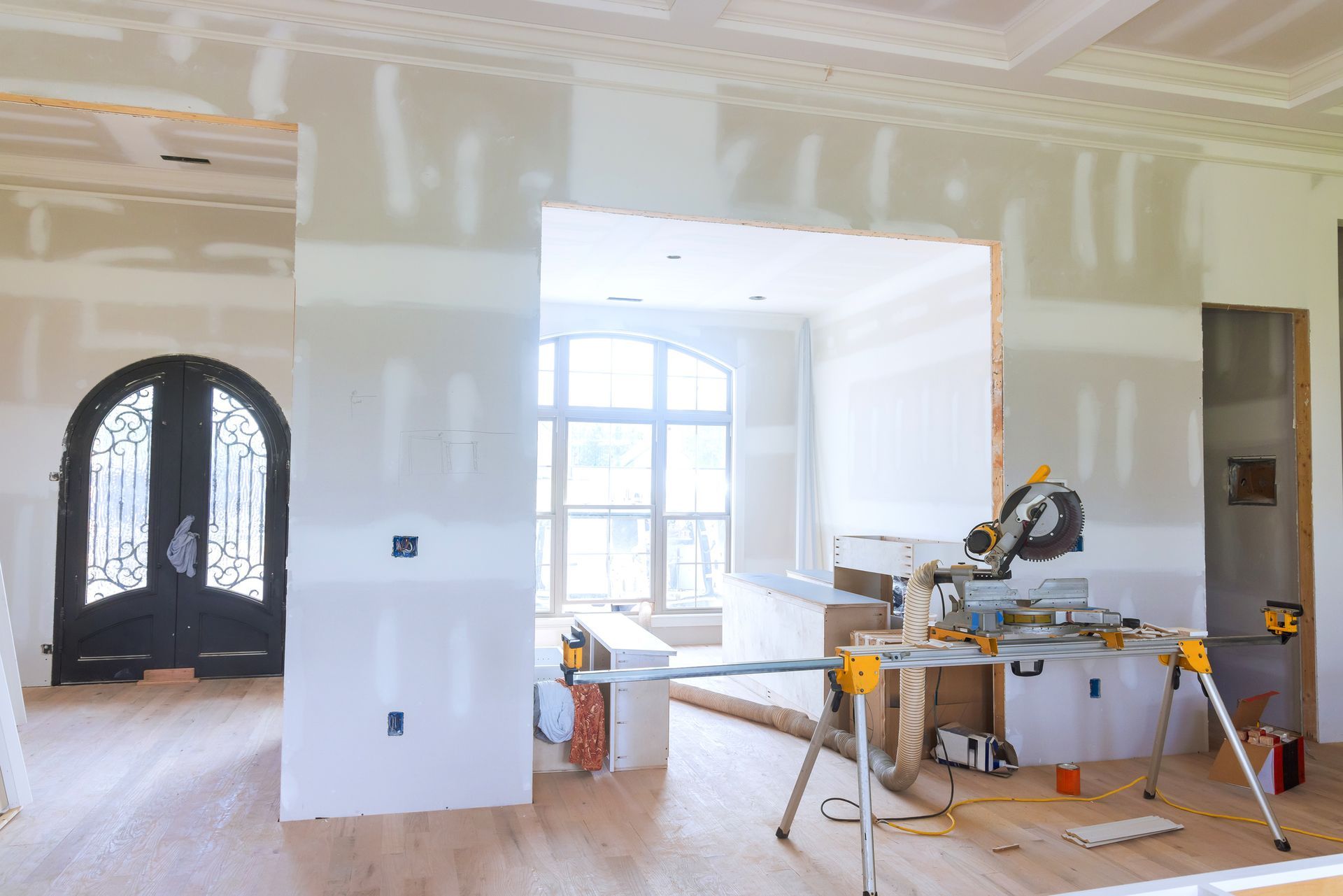
Choosing the right remodeling contractor is one of the most important decisions you'll make when renovating your home. Whether you're planning a kitchen remodel, bathroom renovation, home addition, basement remodel, or whole-home renovation, the contractor you hire will have a major impact on the quality of the finished project and your experience along the way. For homeowners in Chattanooga, TN, the best place to start is by looking for a licensed and insured contractor with experience completing the type of project you have planned. What Should You Look for in a Chattanooga Remodeling Contractor? A qualified home remodeling contractor should offer more than construction experience. Look for a contractor who provides: Proper licensing and insurance Experience with your type of remodeling project Clear and consistent communication Detailed project planning Quality materials and craftsmanship Help navigating permits and inspections when required Realistic expectations for budget and timeline Local experience in Chattanooga and surrounding communities Your contractor should also take time to understand how you want your home to function—not simply how you want it to look. Why Is Hiring a Licensed Contractor Important? Hiring a licensed contractor helps ensure that your remodeling project is being completed by a professional who understands applicable construction requirements. This becomes particularly important when a renovation involves structural changes, plumbing, electrical work, additions, or other improvements that may require permits and inspections. Jason Painter Construction is a licensed and insured general contractor serving homeowners throughout Chattanooga and surrounding areas. What Questions Should You Ask Before Hiring a Remodeling Contractor? Before choosing a contractor, ask questions about both the project and the company's process. Are you licensed and insured? Always confirm that the contractor you're considering has the appropriate credentials for the work being performed. Have you completed projects similar to mine? A kitchen remodel requires different planning than a home addition or restoration project. Look for a contractor with relevant experience. Who will communicate with me during construction? You should know who your point of contact will be and how you'll receive updates throughout the project. How will changes to the project be handled? Renovations can sometimes uncover unexpected conditions. Ask how your contractor communicates changes that could affect the project's scope, price, or timeline. Do you handle permits and inspections? Ask what permits your project may require and who will be responsible for obtaining them. Can you help with materials and design decisions? Selecting flooring, cabinetry, countertops, tile, fixtures, lighting, and other materials can quickly become overwhelming. A contractor who helps guide those decisions can make the planning process easier. What Types of Projects Can a Remodeling Contractor Handle? The answer depends on the contractor. Jason Painter Construction provides residential remodeling and construction services in Chattanooga, including: Kitchen remodeling Bathroom remodeling Whole-home remodeling Home renovations Home additions Garage and attic conversions Basement finishing and remodeling Decks and porches Home accessibility modifications Home restoration and reconstruction Working with a general contractor capable of handling multiple aspects of a renovation can be particularly helpful when a project involves several rooms or trades. How Much Does Home Remodeling Cost in Chattanooga? There isn't one standard price for a home remodel. The cost depends on factors such as the size of the space, scope of work, structural changes, labor, materials, fixtures, cabinetry, plumbing, electrical work, and level of customization. For example, replacing finishes in an existing bathroom is very different from relocating plumbing and completely changing the bathroom's layout. The best way to establish a realistic remodeling budget is to have a contractor evaluate your home and discuss your goals before developing the project's scope. Jason Painter Construction offers free consultations so Chattanooga homeowners can discuss their project, budget, and timeline before moving forward. How Long Does a Home Remodel Take? Remodeling timelines vary considerably depending on the project. A smaller renovation may take several weeks, while a whole-home remodel or substantial addition can take significantly longer. Factors that can affect a construction timeline include: Project size and complexity Permitting Structural work Material availability Custom-order products Plumbing or electrical changes Unexpected conditions discovered during construction Changes made after work begins A good contractor should establish expectations before construction starts and communicate with you if circumstances affect the original timeline. Do Home Remodels in Chattanooga Require Permits? Many remodeling projects involving structural changes, additions, electrical work, plumbing, or other significant construction require permits. Requirements depend on the project's location and scope, so homeowners shouldn't assume that every renovation follows the same permitting process. Jason Painter Construction helps manage necessary permits and inspections for its remodeling projects. Should You Hire a General Contractor for a Kitchen or Bathroom Remodel? For a substantial kitchen or bathroom remodel, working with a general contractor can simplify the process. These projects frequently involve several components, including demolition, plumbing, electrical work, cabinetry, countertops, flooring, tile, lighting, painting, and finish work. Instead of homeowners trying to coordinate each part independently, a general contractor can oversee the overall construction process. What's the Difference Between Remodeling and Renovating? Although the terms are often used interchangeably, remodeling generally involves changing the layout, structure, or function of a space, while renovation often focuses on updating or restoring what is already there. For example, replacing flooring, countertops, and finishes could be considered a renovation. Removing a wall and reconfiguring a kitchen's layout would typically be considered remodeling. Jason Painter Construction handles both home remodeling and renovation projects. Can a Contractor Add More Living Space Without Building a New Addition? Sometimes. Depending on the home, existing unfinished or underused areas may be converted into functional living space. Potential options include: Finishing a basement Converting an attic Converting part of a garage Reconfiguring an existing floor plan When the existing home can't accommodate the additional space, a traditional home addition may be the better solution. A contractor can evaluate the property and help determine which options are practical for the home. What Areas Does Jason Painter Construction Serve? Jason Painter Construction is based in Chattanooga, Tennessee, and serves Chattanooga and surrounding communities, including Ooltewah, Signal Mountain, Red Bank, Soddy-Daisy, Collegedale, East Brainerd, and other nearby areas. The company specializes in residential remodeling, renovations, home additions, restoration, accessibility improvements, decks, porches, and other construction projects. Why Choose Jason Painter Construction? Jason Painter Construction is a licensed and insured Chattanooga general contractor focused on residential remodeling and additions. The company emphasizes quality craftsmanship, clear communication, durable materials, and solutions designed around each homeowner's space and needs. Rather than taking a one-size-fits-all approach, each project begins by understanding the homeowner's goals, budget, lifestyle, and plans for the space.

Improve safety and comfort with home accessibility modifications. Handicap bathrooms, ramps, and kitchen upgrades in Chattanooga, TN.
When your current home no longer fits your needs, it can leave you with a big decision: should you remodel the home you already have or start looking for a new one? For Chattanooga homeowners, moving isn’t always the only answer. If you love your neighborhood, location, or property but need more space, a better layout, or updated features, remodeling can give you the home you want without leaving the place you already know and love. Before making a decision, here are a few things to consider. Do You Love Where You Live? Your home is more than the rooms inside of it. Your neighborhood, commute, yard, schools, neighbors, and proximity to the places you visit every day all play a role in whether a house feels like home. If your biggest frustrations are with the house itself—not its location—a home renovation may be worth considering. A remodel can address many of the problems that cause homeowners to start looking elsewhere, including: An outdated kitchen Small or inefficient bathrooms A lack of storage Not enough bedrooms An awkward floor plan Limited entertaining space An unfinished attic or garage Outdated finishes throughout the home Instead of finding another property that checks every box, you may be able to make your current home work better for you. Could You Make Better Use of the Space You Already Have? Sometimes you don’t actually need a larger house—you need a better layout. Older homes can have rooms that no longer make sense for the way families live today. Reconfiguring existing square footage can create better flow, additional storage, more functional gathering spaces, or improved privacy without necessarily expanding the footprint of the home. Whole-home remodeling can also help create a more consistent design throughout the house. Rather than updating one room at a time over many years, homeowners can take a more comprehensive approach to the layout, finishes, flooring, lighting, and overall functionality of the space. Do You Need More Square Footage? If rearranging your existing space won't solve the problem, a home addition may. Home additions can provide extra living space while allowing you to stay in your current home. Depending on the property and your needs, options may include: An additional bedroom A new bathroom A home office An in-law or guest suite A garage addition or conversion An attic conversion A sunroom Additional family or entertaining space A well-planned addition should feel like a natural extension of the existing home rather than an afterthought. Matching the home's architecture, materials, rooflines, and interior finishes can help the new space blend with the original structure. What Would You Want to Change in a New House Anyway? It’s easy to compare your current home to the ideal version of another house. In reality, a new home may come with its own list of projects. Maybe the kitchen isn't your style. The primary bathroom needs updating. You want different flooring, more storage, a deck, or a more open living area. When considering moving versus remodeling, think about what you would realistically change after purchasing another home. If you would immediately begin renovating the new property, improving your existing home may deserve a closer look. Think About Your Long-Term Needs A remodel is also an opportunity to think beyond what you need today. How might you use your home five or ten years from now? For some homeowners, that means creating room for a growing family. For others, it could mean adding a home office, creating a first-floor bedroom, improving accessibility, or designing spaces that will be easier and more comfortable to use as they get older. Planning with the future in mind can help you make improvements that continue working for you for years to come. Start With a Professional Evaluation You don't have to decide between remodeling and moving before talking with a contractor. An experienced general contractor can evaluate your existing home, discuss what you want to change, and help determine what may be possible within your space and budget. Understanding your remodeling options can give you much better information before making such a significant decision. At Jason Painter Construction, we help homeowners throughout Chattanooga and surrounding communities create homes that better fit the way they live. From kitchen and bathroom remodeling to whole-home renovations, garage and attic conversions, and custom home additions, our team focuses on quality craftsmanship, thoughtful solutions, and clear communication throughout the project. Considering a Home Remodel in Chattanooga, TN? If you like where you live but your house isn't working for you anymore, moving may not be your only option. Jason Painter Construction can help you explore ways to improve, expand, and transform your existing home. Whether you're considering a single-room remodel, a whole-home renovation, or a custom addition, we'll help you determine the right approach for your space. Contact Jason Painter Construction today to schedule a free consultation and start exploring what's possible for your Chattanooga home.
Choosing the right remodeling contractor is one of the most important decisions you'll make when renovating your home. Whether you're planning a kitchen remodel, bathroom renovation, home addition, basement remodel, or whole-home renovation, the contractor you hire will have a major impact on the quality of the finished project and your experience along the way. For homeowners in Chattanooga, TN, the best place to start is by looking for a licensed and insured contractor with experience completing the type of project you have planned. What Should You Look for in a Chattanooga Remodeling Contractor? A qualified home remodeling contractor should offer more than construction experience. Look for a contractor who provides: Proper licensing and insurance Experience with your type of remodeling project Clear and consistent communication Detailed project planning Quality materials and craftsmanship Help navigating permits and inspections when required Realistic expectations for budget and timeline Local experience in Chattanooga and surrounding communities Your contractor should also take time to understand how you want your home to function—not simply how you want it to look. Why Is Hiring a Licensed Contractor Important? Hiring a licensed contractor helps ensure that your remodeling project is being completed by a professional who understands applicable construction requirements. This becomes particularly important when a renovation involves structural changes, plumbing, electrical work, additions, or other improvements that may require permits and inspections. Jason Painter Construction is a licensed and insured general contractor serving homeowners throughout Chattanooga and surrounding areas. What Questions Should You Ask Before Hiring a Remodeling Contractor? Before choosing a contractor, ask questions about both the project and the company's process. Are you licensed and insured? Always confirm that the contractor you're considering has the appropriate credentials for the work being performed. Have you completed projects similar to mine? A kitchen remodel requires different planning than a home addition or restoration project. Look for a contractor with relevant experience. Who will communicate with me during construction? You should know who your point of contact will be and how you'll receive updates throughout the project. How will changes to the project be handled? Renovations can sometimes uncover unexpected conditions. Ask how your contractor communicates changes that could affect the project's scope, price, or timeline. Do you handle permits and inspections? Ask what permits your project may require and who will be responsible for obtaining them. Can you help with materials and design decisions? Selecting flooring, cabinetry, countertops, tile, fixtures, lighting, and other materials can quickly become overwhelming. A contractor who helps guide those decisions can make the planning process easier. What Types of Projects Can a Remodeling Contractor Handle? The answer depends on the contractor. Jason Painter Construction provides residential remodeling and construction services in Chattanooga, including: Kitchen remodeling Bathroom remodeling Whole-home remodeling Home renovations Home additions Garage and attic conversions Basement finishing and remodeling Decks and porches Home accessibility modifications Home restoration and reconstruction Working with a general contractor capable of handling multiple aspects of a renovation can be particularly helpful when a project involves several rooms or trades. How Much Does Home Remodeling Cost in Chattanooga? There isn't one standard price for a home remodel. The cost depends on factors such as the size of the space, scope of work, structural changes, labor, materials, fixtures, cabinetry, plumbing, electrical work, and level of customization. For example, replacing finishes in an existing bathroom is very different from relocating plumbing and completely changing the bathroom's layout. The best way to establish a realistic remodeling budget is to have a contractor evaluate your home and discuss your goals before developing the project's scope. Jason Painter Construction offers free consultations so Chattanooga homeowners can discuss their project, budget, and timeline before moving forward. How Long Does a Home Remodel Take? Remodeling timelines vary considerably depending on the project. A smaller renovation may take several weeks, while a whole-home remodel or substantial addition can take significantly longer. Factors that can affect a construction timeline include: Project size and complexity Permitting Structural work Material availability Custom-order products Plumbing or electrical changes Unexpected conditions discovered during construction Changes made after work begins A good contractor should establish expectations before construction starts and communicate with you if circumstances affect the original timeline. Do Home Remodels in Chattanooga Require Permits? Many remodeling projects involving structural changes, additions, electrical work, plumbing, or other significant construction require permits. Requirements depend on the project's location and scope, so homeowners shouldn't assume that every renovation follows the same permitting process. Jason Painter Construction helps manage necessary permits and inspections for its remodeling projects. Should You Hire a General Contractor for a Kitchen or Bathroom Remodel? For a substantial kitchen or bathroom remodel, working with a general contractor can simplify the process. These projects frequently involve several components, including demolition, plumbing, electrical work, cabinetry, countertops, flooring, tile, lighting, painting, and finish work. Instead of homeowners trying to coordinate each part independently, a general contractor can oversee the overall construction process. What's the Difference Between Remodeling and Renovating? Although the terms are often used interchangeably, remodeling generally involves changing the layout, structure, or function of a space, while renovation often focuses on updating or restoring what is already there. For example, replacing flooring, countertops, and finishes could be considered a renovation. Removing a wall and reconfiguring a kitchen's layout would typically be considered remodeling. Jason Painter Construction handles both home remodeling and renovation projects. Can a Contractor Add More Living Space Without Building a New Addition? Sometimes. Depending on the home, existing unfinished or underused areas may be converted into functional living space. Potential options include: Finishing a basement Converting an attic Converting part of a garage Reconfiguring an existing floor plan When the existing home can't accommodate the additional space, a traditional home addition may be the better solution. A contractor can evaluate the property and help determine which options are practical for the home. What Areas Does Jason Painter Construction Serve? Jason Painter Construction is based in Chattanooga, Tennessee, and serves Chattanooga and surrounding communities, including Ooltewah, Signal Mountain, Red Bank, Soddy-Daisy, Collegedale, East Brainerd, and other nearby areas. The company specializes in residential remodeling, renovations, home additions, restoration, accessibility improvements, decks, porches, and other construction projects. Why Choose Jason Painter Construction? Jason Painter Construction is a licensed and insured Chattanooga general contractor focused on residential remodeling and additions. The company emphasizes quality craftsmanship, clear communication, durable materials, and solutions designed around each homeowner's space and needs. Rather than taking a one-size-fits-all approach, each project begins by understanding the homeowner's goals, budget, lifestyle, and plans for the space.
Improve safety and comfort with home accessibility modifications. Handicap bathrooms, ramps, and kitchen upgrades in Chattanooga, TN.
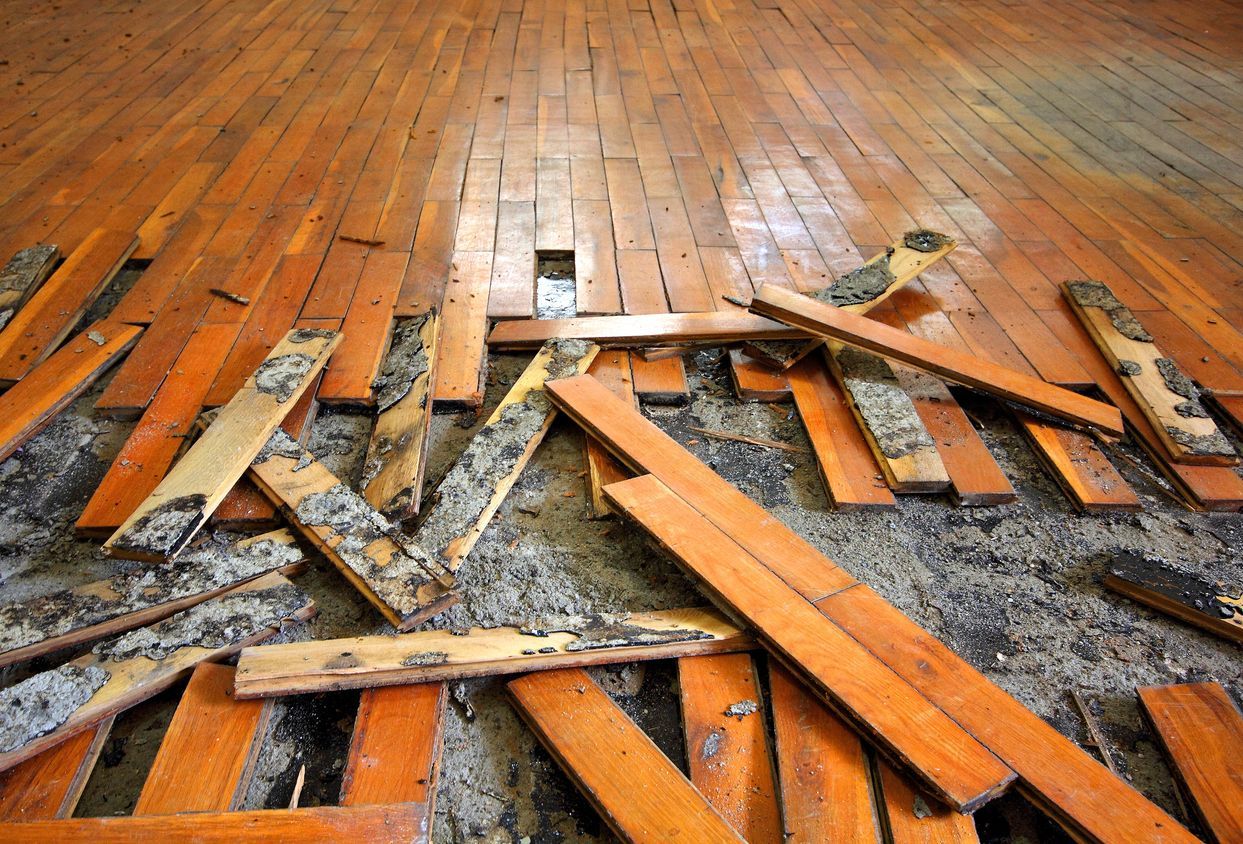
Learn why proper home and property restoration matters after flood, water, or storm damage and how to rebuild the right way.
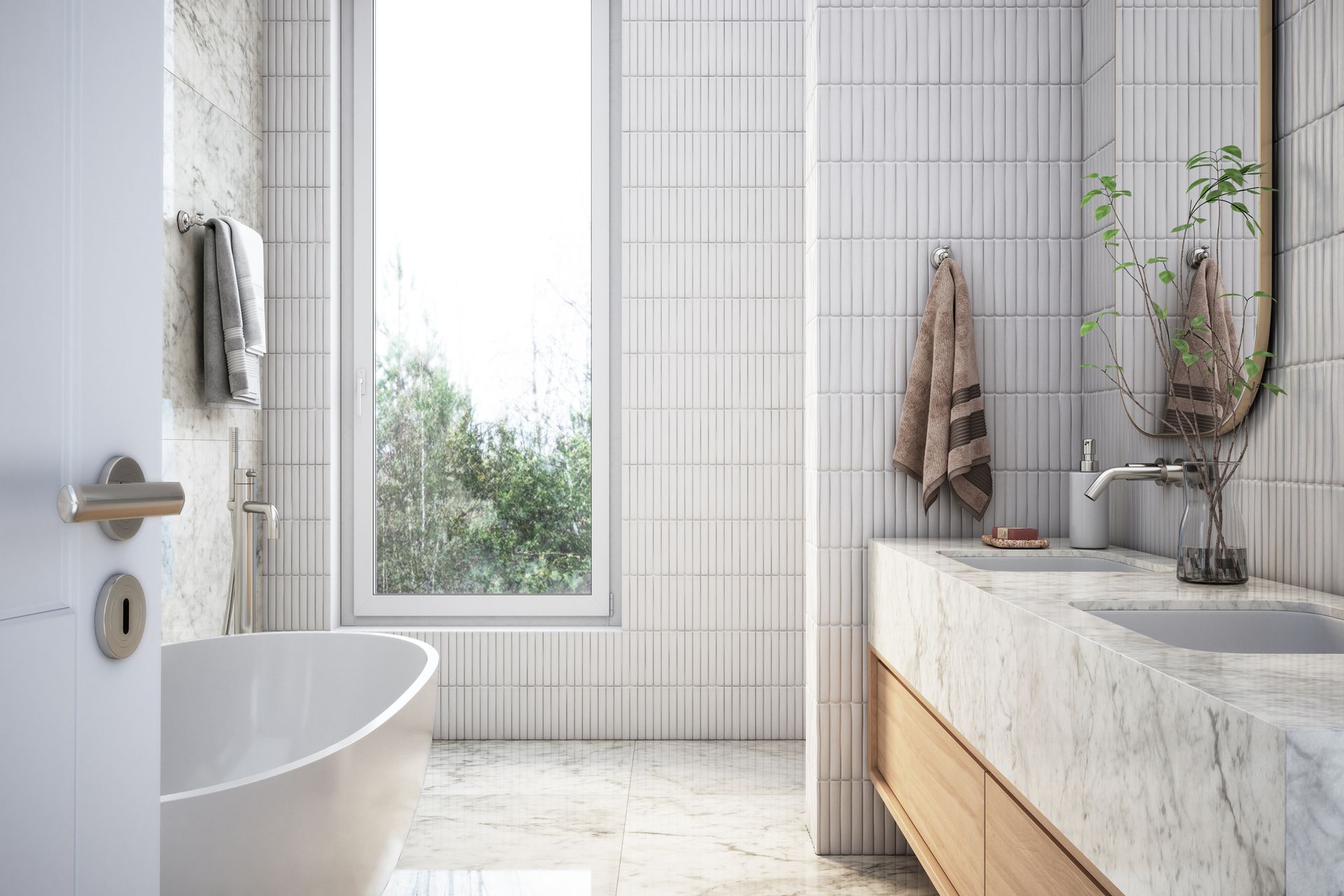
Explore the top bathroom features Chattanooga homeowners want—walk-in showers, spa upgrades, heated floors, smart tech, and more.
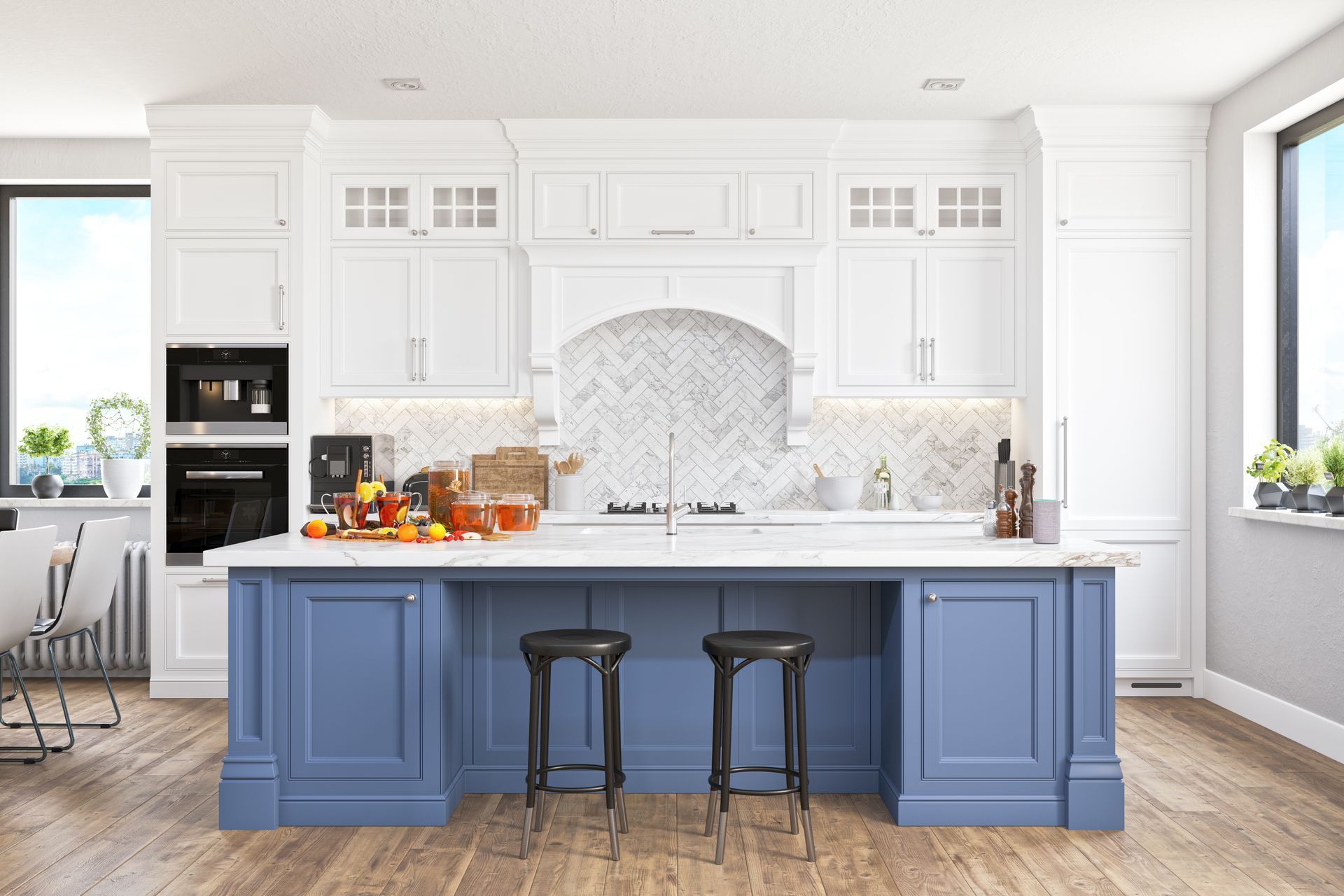
Discover the top 2025 kitchen trends Chattanooga homeowners love—from warm finishes to smart layouts, cozy nooks, and custom design ideas.